How AI Is Transforming Healthcare and Government: Opportunities and Challenges
Artificial intelligence is advancing rapidly across every sector of the economy, but perhaps nowhere are the stakes higher — or the potential benefits more profound — than in healthcare and government. These are the two domains most directly responsible for human wellbeing: one for physical and mental health, the other for the safety, services, and structures that underpin how society functions. AI is beginning to transform both in ways that will affect every person on the planet, and understanding what is happening — and what challenges remain — has never been more important.
In this article we explore the key ways AI is reshaping healthcare delivery and public sector operations, examine the significant opportunities and genuine risks involved, and consider what responsible AI adoption looks like in two of society’s most critical institutions.

AI in Healthcare: From Diagnosis to Delivery
Healthcare is one of the most data-rich industries in the world and one of the most consequential. Decisions made in clinical settings directly affect patient outcomes — sometimes in minutes. AI systems that can process and interpret clinical data faster and more accurately than human clinicians alone have the potential to save lives at scale. That potential is now moving from research papers into clinical practice, and the pace of adoption is accelerating.
Medical Imaging and Diagnostic AI
Medical imaging analysis is one of the most mature and validated applications of AI in healthcare. Deep learning models trained on large datasets of annotated medical images can detect patterns associated with disease with accuracy that matches or exceeds specialist radiologists in specific tasks — identifying tumours in mammograms, detecting diabetic retinopathy in retinal photographs, spotting early lung cancer in CT scans, and flagging abnormalities in pathology slides.
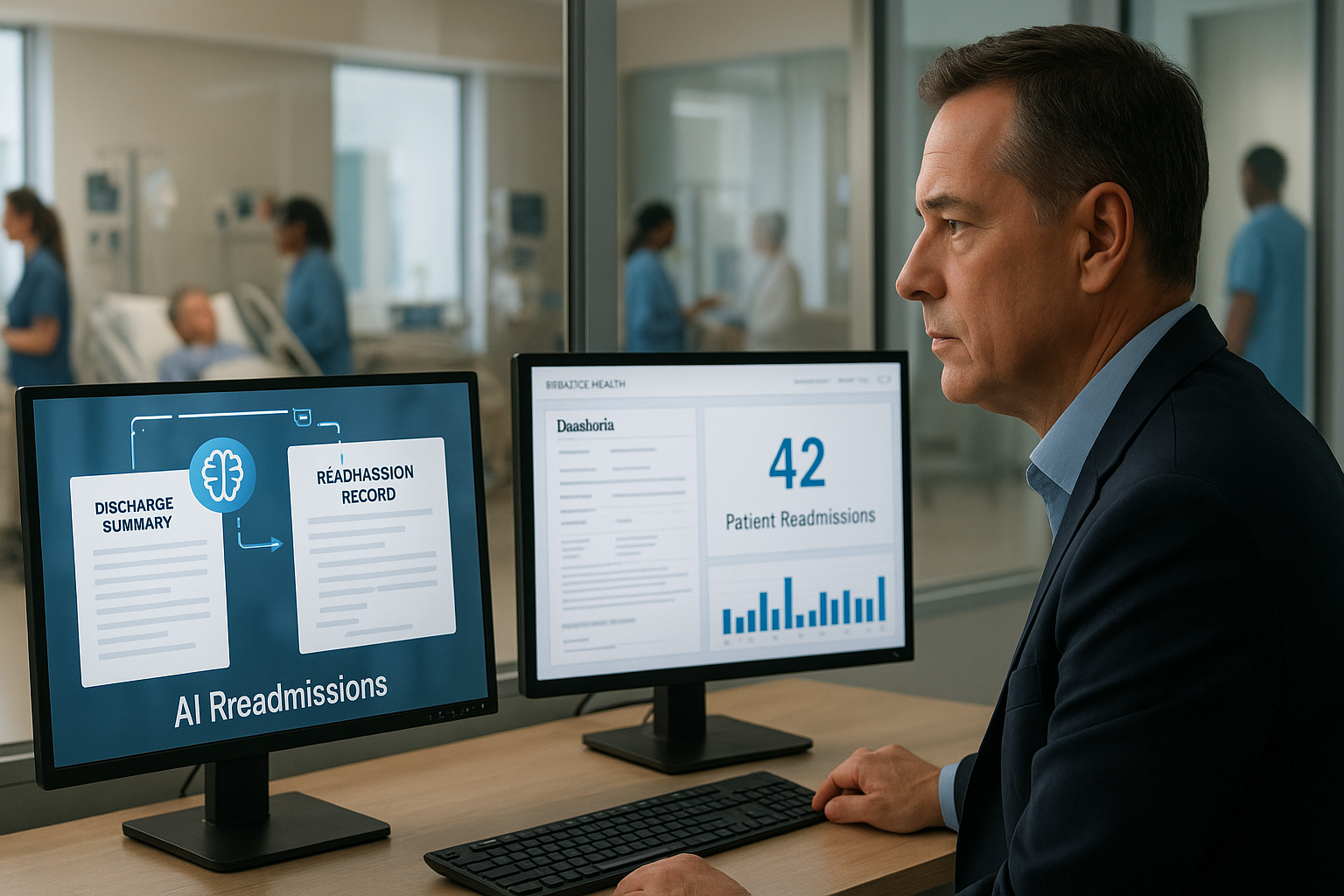
The clinical value here is substantial. Many of these conditions have dramatically better outcomes when detected early — and AI systems that can review every scan at the same level of scrutiny, without fatigue, and flag those requiring urgent attention can meaningfully improve early detection rates. They also have the potential to extend specialist diagnostic capability to healthcare settings that lack access to sufficient specialist radiologists — a significant benefit in healthcare systems under staffing pressure, and a transformative one in lower-income health systems.
Clinical Decision Support
Beyond imaging, AI is being deployed to support clinical decision-making more broadly. Clinical decision support systems can analyse a patient’s full medical record — diagnoses, medications, test results, vital signs, clinical notes — alongside relevant medical literature and treatment guidelines to flag potential drug interactions, suggest differential diagnoses, recommend appropriate investigations, and alert clinicians to deteriorating patients who may not yet have been identified as at risk.
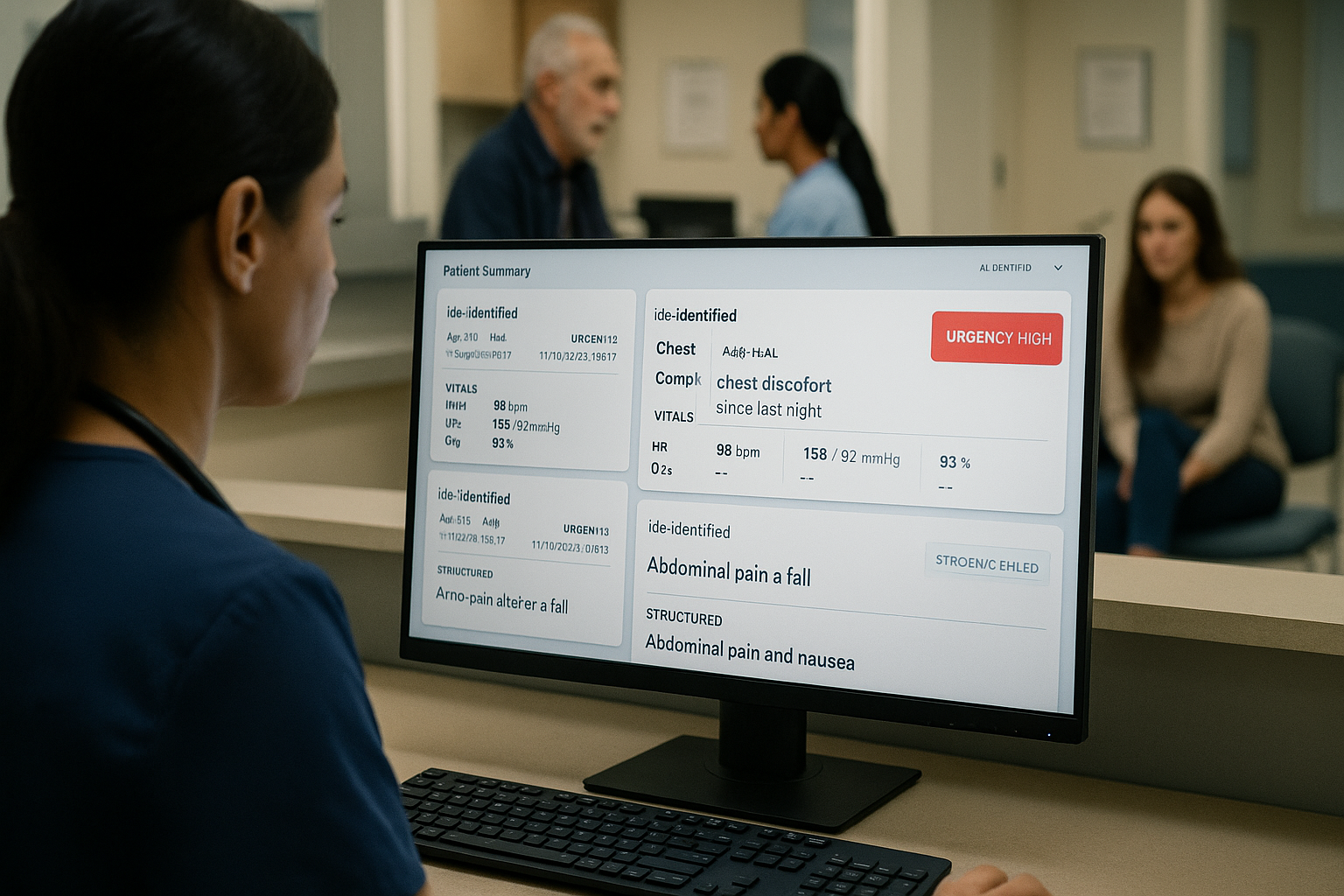
These tools are not designed to replace clinical judgement — they are designed to augment it, providing a second layer of systematic review that catches things that busy clinicians under time pressure might miss. The evidence base for their effectiveness is growing, with studies showing reductions in medication errors, earlier identification of sepsis, and improved adherence to clinical guidelines in settings where AI decision support has been deployed.
AI in Triage and Emergency Care
Emergency departments face persistent challenges of demand exceeding capacity, with triage decisions — determining the urgency of each patient’s need — being critical to patient safety and operational efficiency. AI-powered triage tools can analyse presenting symptoms, vital signs, and patient history to support triage decisions, flagging patients at high risk of rapid deterioration and helping clinicians prioritise effectively when under extreme pressure.

In remote and telehealth settings, AI-powered symptom assessment tools are extending access to initial clinical guidance — providing a level of systematic assessment to patients who might otherwise have no immediate access to healthcare, and directing them appropriately to the right level of care.
Drug Discovery and Development
The pharmaceutical industry is using AI to transform drug discovery — a process that has historically been extraordinarily slow and expensive. AI systems can analyse vast databases of molecular structures, predict how candidate compounds will interact with biological targets, identify potential drug candidates from billions of possibilities, and model toxicity profiles — compressing timelines that previously took years into months. The implications for the speed and cost of bringing new medicines to patients are potentially enormous.
Personalised Medicine and Genomics
AI is enabling a shift from population-level medicine — where treatments are developed and prescribed based on what works for the average patient — towards genuinely personalised medicine that tailors treatment to the individual. AI analysis of genomic data can identify which patients are most likely to respond to particular treatments, which are at elevated risk of specific diseases, and which are likely to experience particular side effects. This capability is already influencing treatment decisions in oncology and is expanding into other clinical areas.

For healthcare professionals, administrators, and policy makers seeking comprehensive coverage of AI’s impact across the full spectrum of healthcare delivery — from clinical applications to operational efficiency, workforce implications, and the ethical and governance challenges that AI in healthcare raises — the AI Awareness guide to AI in healthcare provides detailed, authoritative, and accessible guidance on the current state of the field and where it is heading.
AI in the Public Sector and Government: Serving Citizens at Scale
Government and the public sector face a distinctive set of challenges that make AI both particularly valuable and particularly demanding to deploy responsibly. Public services must serve every citizen, operate with public funds, remain accountable to democratic oversight, and adhere to legal and ethical standards that reflect the special obligations of the state towards the people it serves. These constraints don’t make AI inappropriate in government — but they do mean that its deployment requires exceptional care.
Public Service Delivery and Automation
Many government services involve high volumes of standardised processes — benefit claims, permit applications, licensing decisions, tax assessments, document processing — that are well suited to AI-powered automation. By automating routine processing, governments can reduce waiting times, free staff to focus on complex cases that require human judgement, and deliver more consistent outcomes. In healthcare systems, AI-powered administrative tools are reducing the documentation burden on clinical staff, giving them more time for direct patient care.

The gains from well-implemented public sector automation can be substantial. Faster processing, fewer errors, reduced administrative costs, and more consistent application of rules are benefits that flow directly to citizens and taxpayers. The challenge is ensuring that automation is implemented in ways that are fair, transparent, and that preserve appropriate human oversight for decisions that significantly affect individuals’ lives.
Data-Driven Policy and Government Analytics
Effective government depends on good information — understanding what is happening across complex social and economic systems, identifying emerging problems before they become crises, and allocating resources where they will have the greatest impact. AI-powered analytics tools are giving governments much greater ability to extract insight from the large datasets they hold — identifying patterns in public health data, detecting fraud in welfare systems, modelling the likely impact of policy changes, and monitoring public service performance in real time.
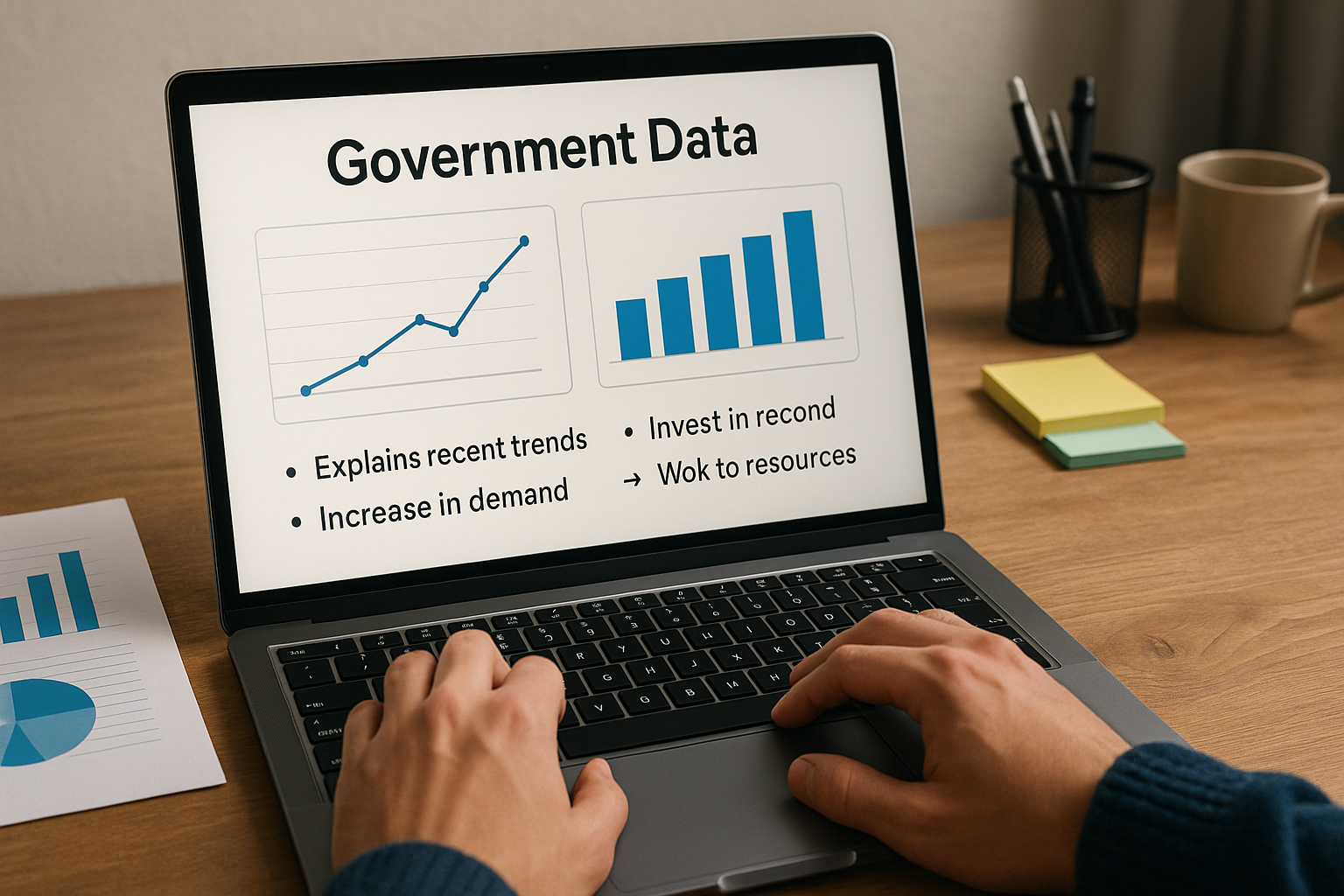
The use of government data for AI analysis raises significant privacy considerations that must be carefully managed. Citizens provide information to government in the context of specific purposes — tax collection, welfare administration, healthcare provision — and their reasonable expectation is that this data will be used for those purposes, not repurposed for broader analytical uses without consent and appropriate safeguards. Data governance in the public sector is a serious and complex challenge, and AI deployments must be designed with these considerations at their core.
AI in Regulatory Compliance and Oversight
Regulatory bodies are increasingly deploying AI to enhance their oversight capabilities. Financial regulators use AI to monitor market activity for manipulation and misconduct. Environmental agencies use satellite imagery analysis to detect illegal dumping and land use violations. Tax authorities use AI to identify tax evasion patterns across large transaction datasets. In each case, AI extends the reach and effectiveness of regulatory oversight in ways that would be impossible to achieve through human review alone.
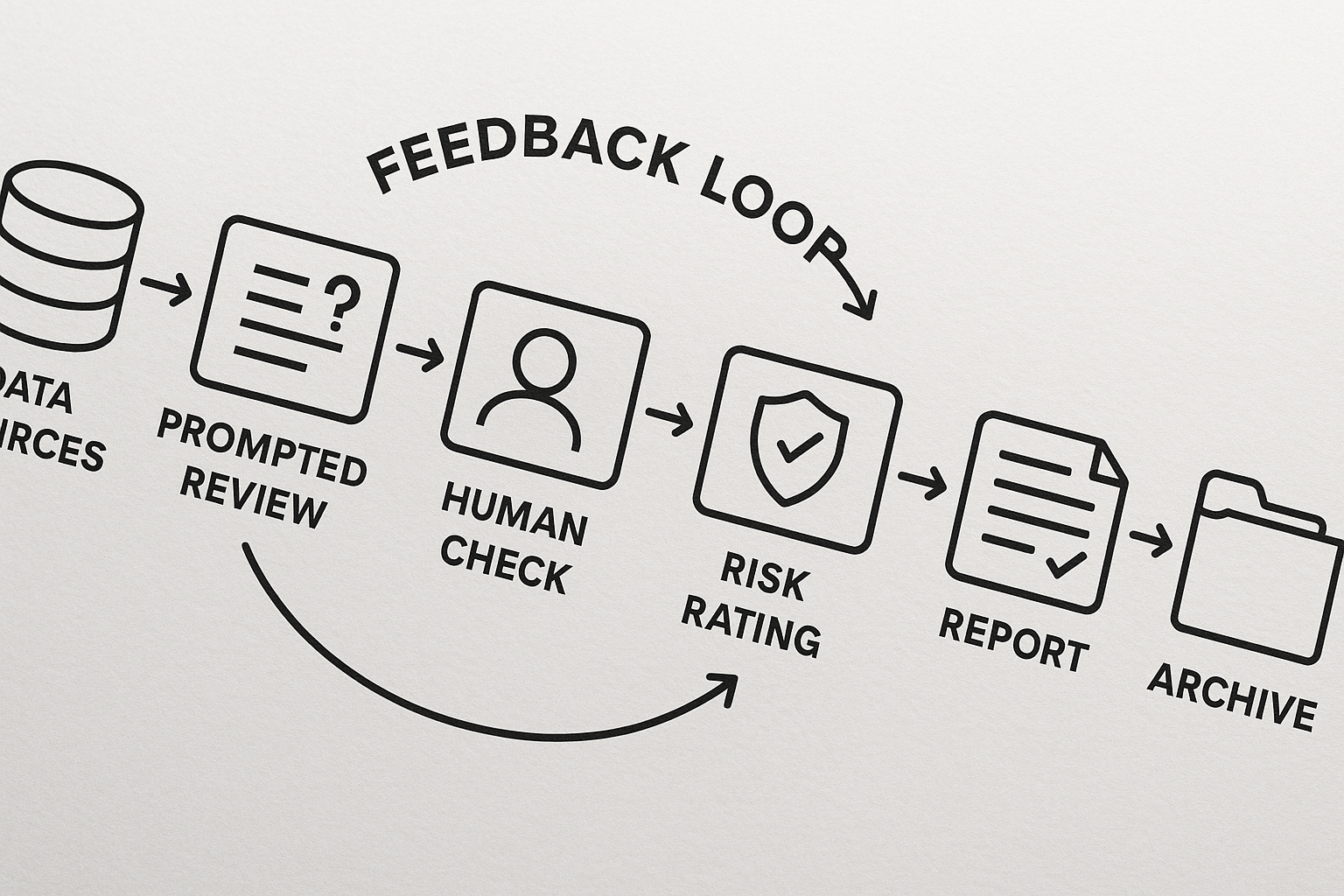
The design of AI systems for regulatory purposes requires particular care around explainability and due process. Where AI analysis leads to enforcement action, affected parties have a right to understand the basis for decisions against them. AI systems used in regulatory contexts need to be auditable, their outputs interpretable, and their operation subject to robust governance — not just for legal compliance, but to maintain the legitimacy of regulatory institutions in citizens’ eyes.
Smart Cities and Infrastructure Management
AI is being applied across urban infrastructure in ways that improve efficiency, sustainability, and quality of life. AI-optimised traffic management reduces congestion and emissions. Predictive maintenance systems applied to public infrastructure — roads, bridges, utilities — enable more cost-effective maintenance scheduling and reduce the risk of failures. AI tools for urban planning help model the impact of development decisions on traffic, housing affordability, environmental quality, and public service demand.
The Governance of AI in Government
Perhaps the most important issue in public sector AI is governance — ensuring that AI systems used by government are accurate, fair, transparent, and accountable. The power imbalance between government and individual citizens makes the stakes of AI failures in public services particularly high. A wrongful benefit denial, an unjust risk score, an inaccurate automated assessment — these can have severe consequences for vulnerable people who have limited ability to challenge algorithmic decisions.

Leading governments are developing AI governance frameworks that require impact assessments before AI deployment in high-stakes public services, mandate explainability for automated decisions affecting individuals, establish clear accountability structures, and provide accessible routes for citizens to challenge AI-influenced decisions. Building public trust in government AI requires not just good technology, but genuine commitment to these governance principles in practice.
For public sector leaders, policy makers, civil servants, and anyone seeking to understand how AI is reshaping government and public services — including the specific applications being deployed, the governance frameworks emerging across different jurisdictions, and the implications for public sector workforce and capability — the AI Awareness guide to AI in the public sector and government provides comprehensive and authoritative coverage of this fast-evolving field.
Common Threads: Ethics, Equity, and Human Oversight
Across both healthcare and government, several common themes emerge that define what responsible AI adoption looks like in high-stakes public interest contexts.
Equity must be a design principle, not an afterthought. AI systems trained on historical data can inherit and amplify historical inequities — producing diagnostic tools that perform less well for underrepresented populations, or risk models that systematically disadvantage already marginalised groups. Ensuring that AI in healthcare and government serves everyone fairly requires deliberate, sustained effort: diverse training data, rigorous bias testing, ongoing monitoring of real-world outcomes across different population groups, and genuine commitment from leadership to prioritise equity alongside efficiency.

Human oversight is non-negotiable in both domains. The most powerful AI diagnostic tool should be a support for clinical judgement, not a replacement for it. The most sophisticated government AI system should be subject to human review for decisions that significantly affect individual citizens. This isn’t a limitation of AI’s potential — it reflects an appropriate understanding of where AI adds value and where human judgement, accountability, and empathy remain essential.
Transparency builds trust, and trust is essential to adoption. Patients are more likely to accept AI-assisted diagnoses when they understand how the system works and that their clinician has reviewed and endorsed the recommendation. Citizens are more likely to accept AI-influenced public service decisions when they can understand the basis for those decisions and have a genuine route to challenge them. Designing for transparency is not just an ethical requirement — it is a practical prerequisite for AI adoption at scale in both sectors.
The Road Ahead
The transformation of healthcare and government by AI is genuinely exciting in its potential — faster and more accurate diagnosis, more personalised treatment, public services that work better for more people, government that can identify and respond to social challenges more effectively. It is also genuinely demanding in what it requires: serious investment in data infrastructure and governance, careful attention to equity and ethics, robust accountability frameworks, and sustained effort to build the human capability needed to work effectively alongside AI systems.
The organisations, institutions, and individuals that engage with these challenges thoughtfully — rather than either embracing AI uncritically or resisting it reflexively — will be best positioned to capture the benefits while managing the risks. In healthcare and government, getting this right matters enormously. The people served by these systems deserve nothing less than the most careful and responsible approach to one of the most significant technological transitions of our time.